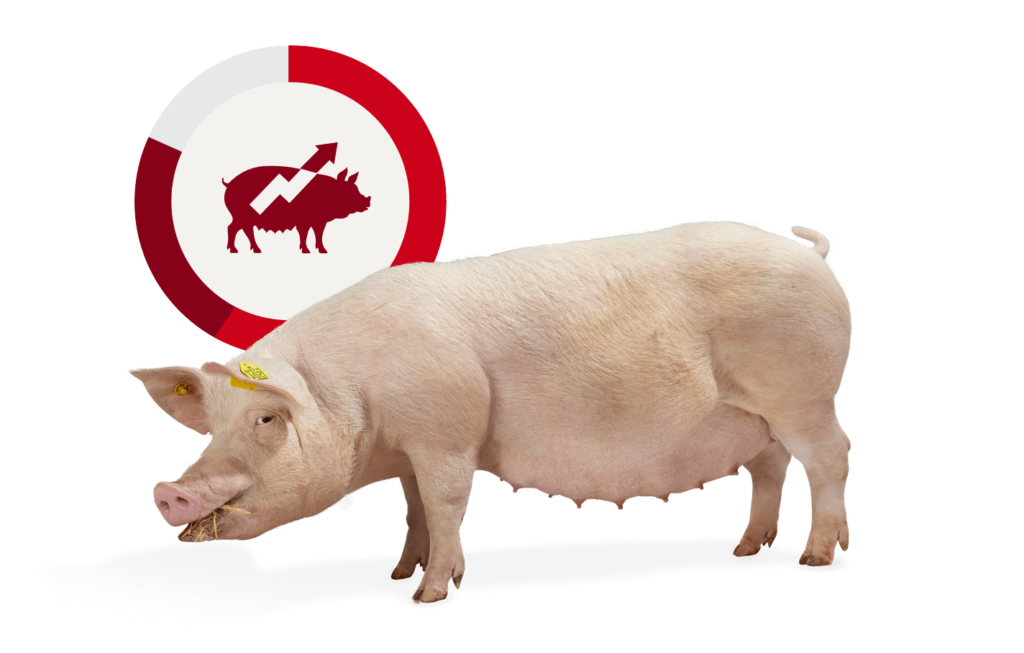
What has the last 10 years of breeding progress meant for your production costs?
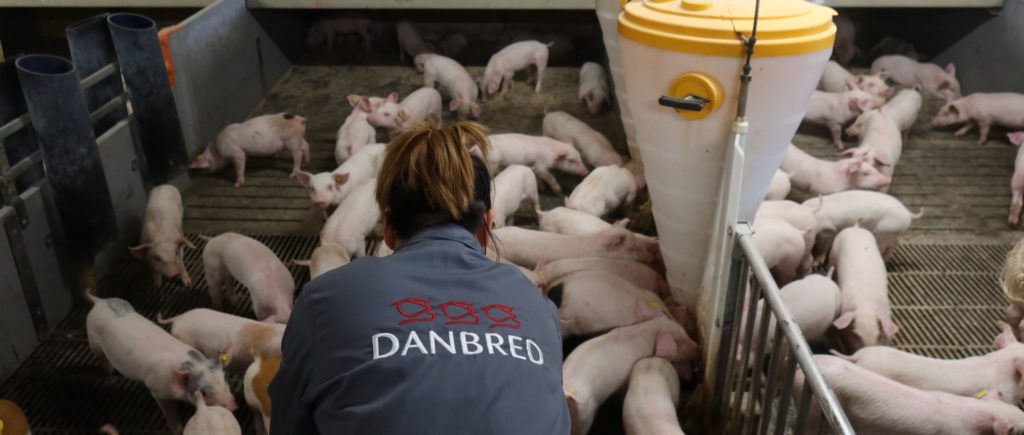
Breeding companies continuously measure the average progress in the purebred populations. But can you be sure that the breeding progress measured is also reflected on the results in your herd? You can, when you choose DanBred genetics. With DanBred animals in your herd, you have been able to reduce your production costs by EUR […]
Successful event in Hungary brings partners together

Colleagues from DanBred’s headquarters in Denmark visited Hungary for the event, so we took this opportunity to get together with our valuable partner, Bonafarm Agriculture, for a dinner on the night before the event. It was great to have those face-to-face talks about our future collaboration.
New technology to reduce future feed consumption
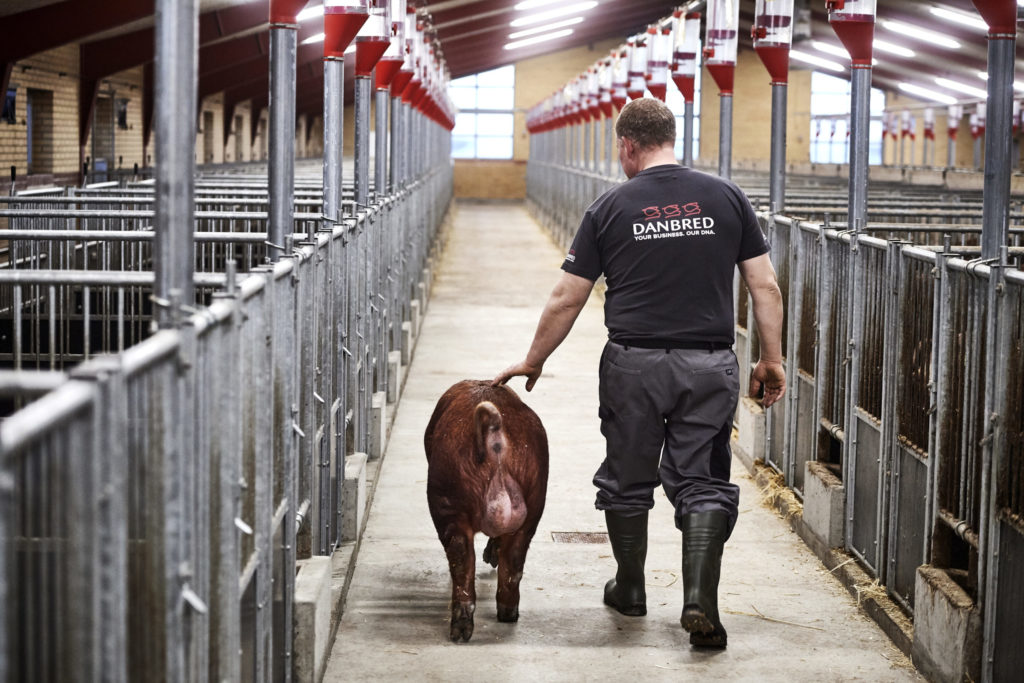
With the help of metabolomic selection, DanBred pigs will further improve the already low feed consumption in the future. In addition to feed efficiency, taste and tenderness are also in focus when the pig of the future is composed. A blood sample from a pig has a lot to say when it comes to […]
Learn how to produce more finishers per pen place
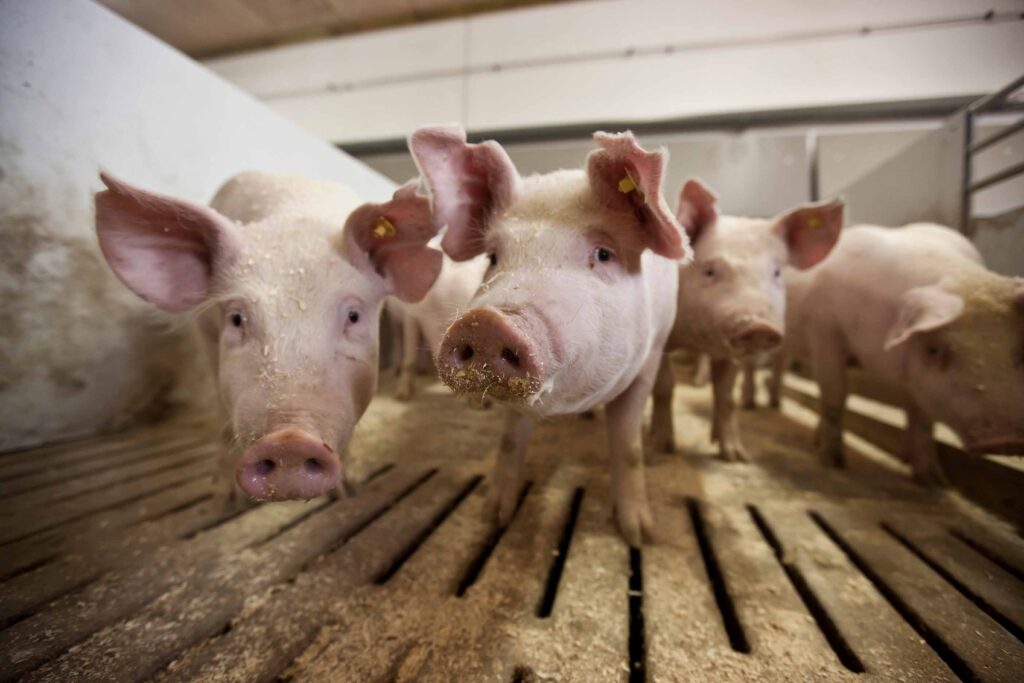
There are actually big differences as for how effectively pig producers utilise the pens in the facility, and this has a direct effect on the bottom line. Of course, you want to produce as many pigs per the lowest cost of production as possible – without compromising animal welfare. And particularly, with the very high […]
DanBred Duroc makes your business more competitive
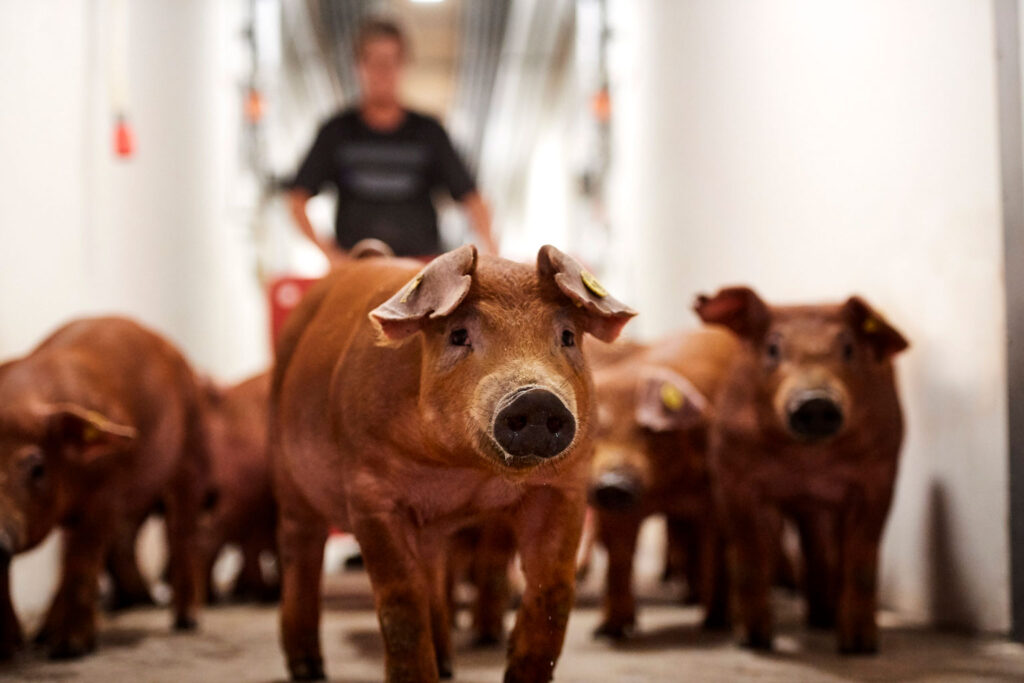
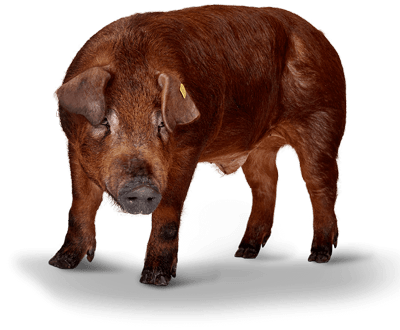
Generation by generation, DanBred has been selecting the best genes for future breeding with the aim to produce world-class finisher pigs. A great deal of the success with the excellent finisher traits is thanks to our terminal line: the DanBred Duroc. Top of the class Through the years, DanBred Duroc has been a part of […]
New recommended backfat measurements: Optimise production and reduce feed costs
Abstract SEGES Innovation has changed their recommendation for the backfat thickness of sows and gilts at farrowing from 16-19 to 14-17 mm based on a data analysis containing >3,900 sows and litters from 10 feeding trials run over the past 6 years. The analysis shows that sows having 12-20 mm backfat at farrowing are […]