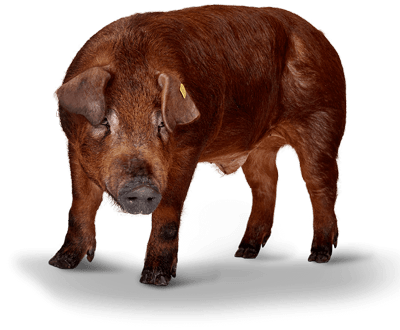
Burgener Farm is a family‑run operation with 800 sows and full farrow‑to‑finish production in Illinois. After extensive research, the brothers decided to transition to DanBred genetics and begin a new genetic journey as some of first U.S. producers with DanBred Hybrids.
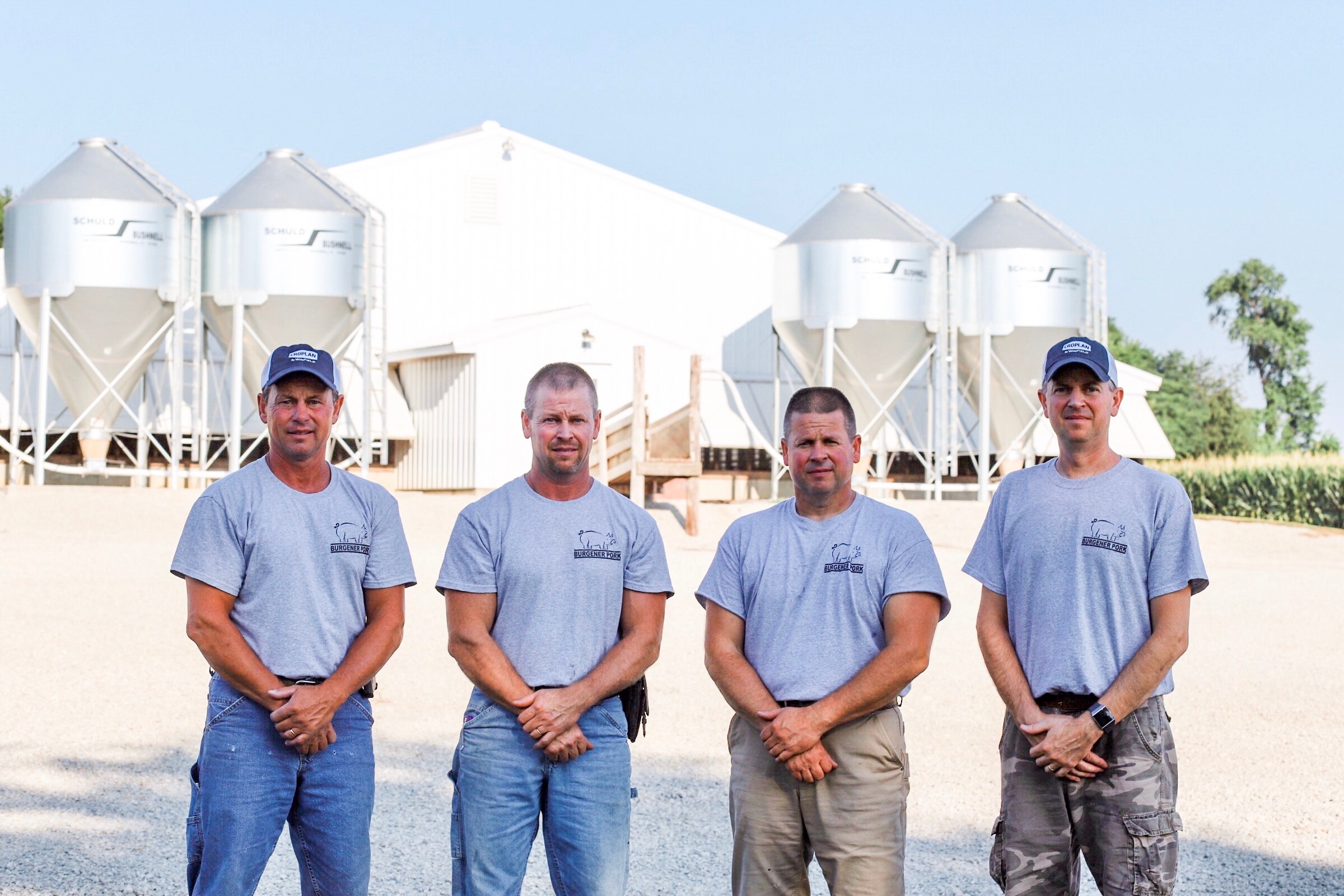
In Illinois, U.S., just outside Springfield, you will find a family-owned pig farm run by four brothers Brad, Bret, Chad, and Chris Burgener. At Burgener’s farms, they have 800 sows and produce pigs from farrowing to finish, together with Bret’s son, Brock Burgener, and son-in-law, Nolan Boyer. They have switched to 100% DanBred genetics and are currently producing their first DanBred Hybrids. In the coming year, we will follow their journey closely.
Starting a new chapter with DanBred
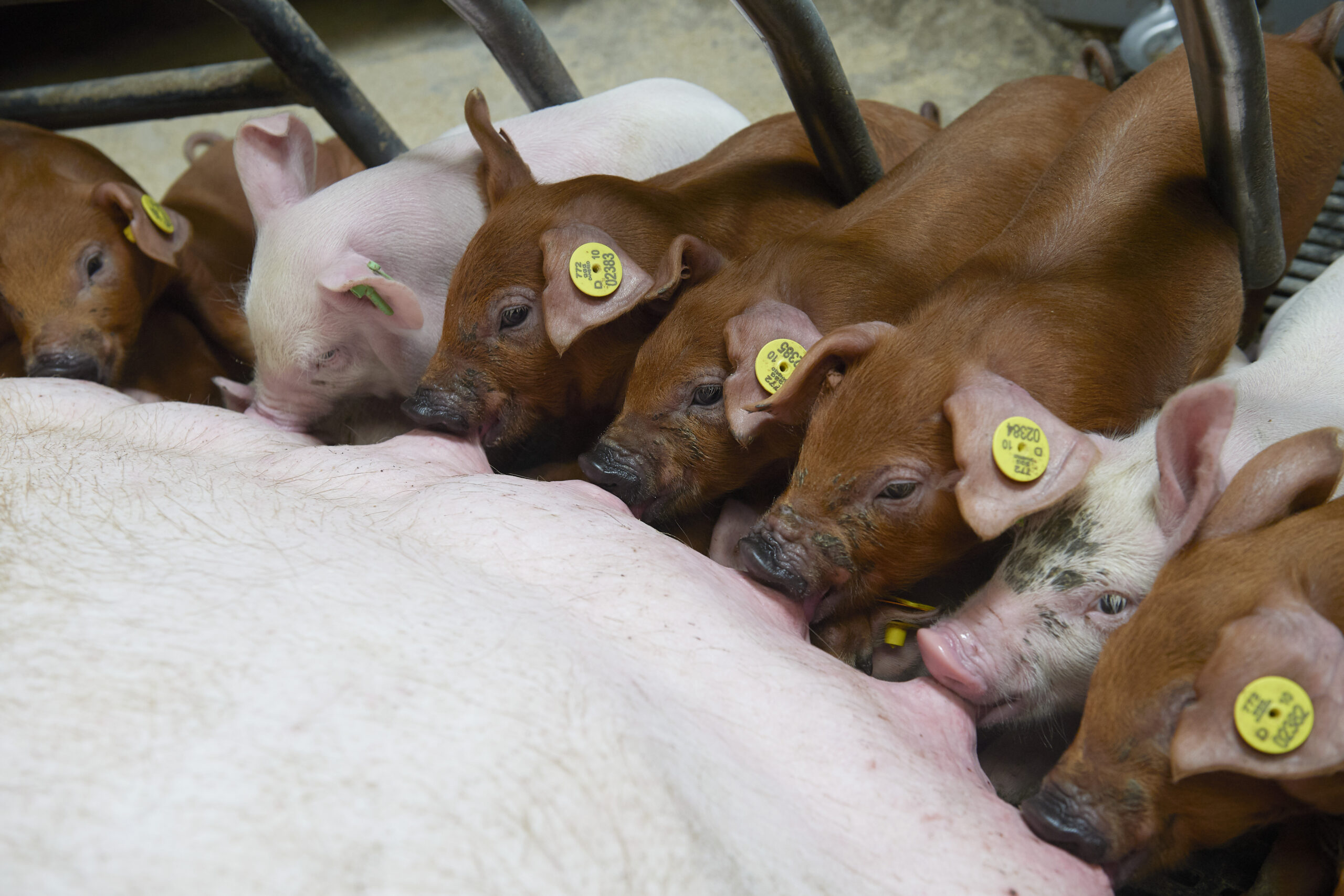
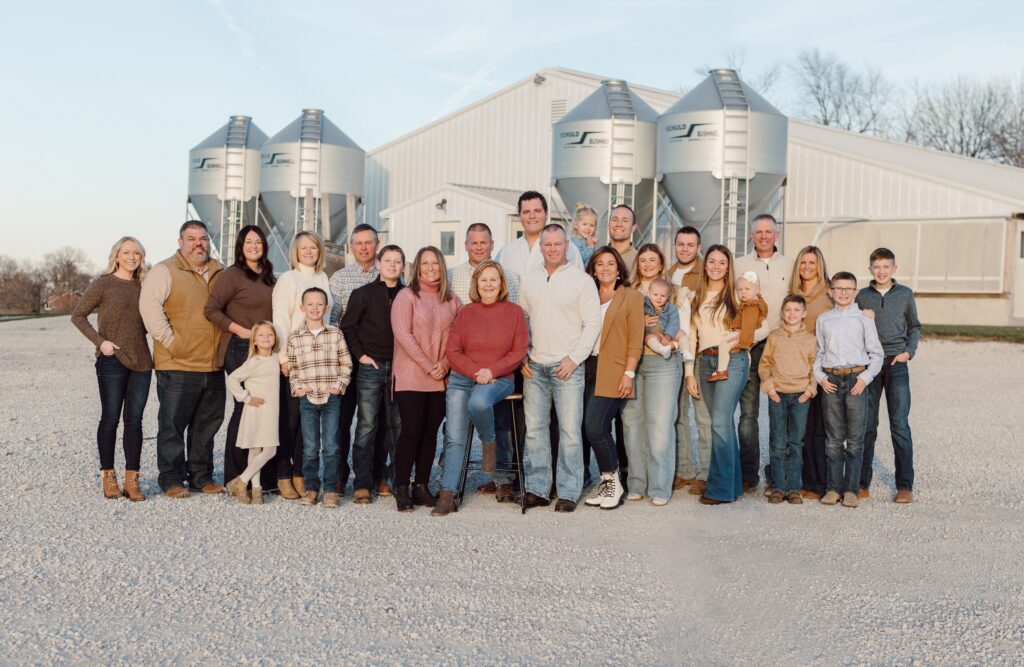
Burgener Farm was originally founded by the brothers’ parents Charles and Carole, who ran a small-scale farm in the early 1970s, with pigs raised in wooden farrowing crates. Today, the farm has developed into a modern pig production with 800 sows in production, delivering all finishers to the JBS plant in Beardstown. Chris manages the sow operation together with Brock, where they handle all the newborn piglets and ensure that they get the best start in life. Nolan is responsible for breeding and gilt management.
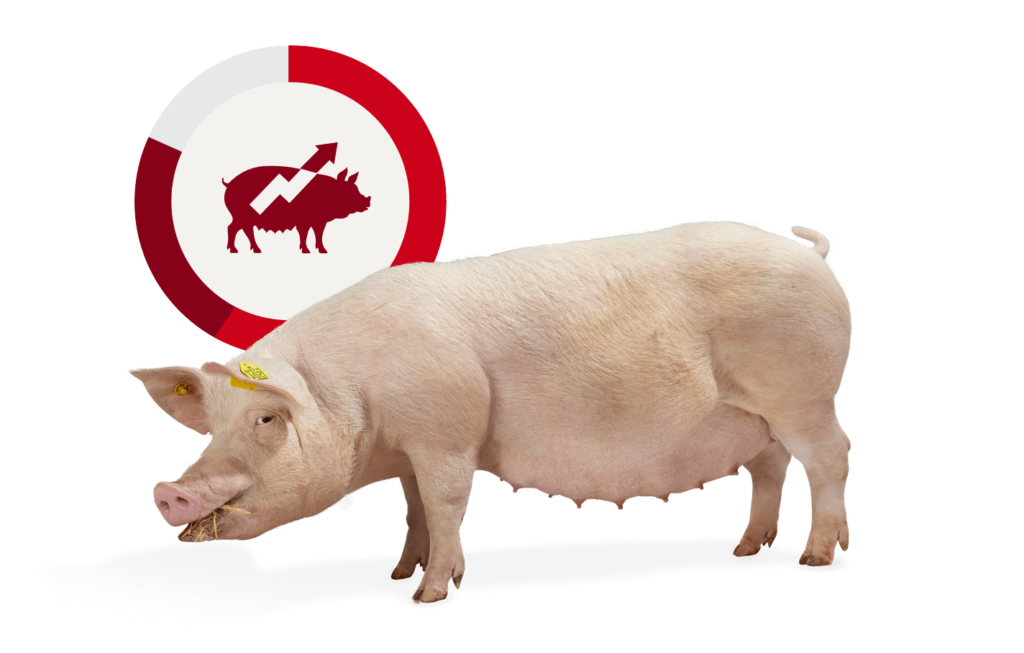
In December 2025, Burgener Farm received 120 DanBred GP Yorkshire gilts from DanBred’s operation in Canada. They currently breed them with DanBred Landrace semen to produce their first generation of DanBred Hybrids. Both Bret and Chris are excited to get started with DanBred genetics.
“We actually feel quite honored to be among the first to produce DanBred Hybrids in the U.S., and we hope we can live up to the expectations of producing high-productive gilts,” says Chris Burgener.
Why did you choose DanBred?
Of course, we asked Bret and Chris why they chose DanBred and what made them switch to 100% DanBred genetics:
“We simply believe that DanBred has the best genetics. With our previous genetics, we were not making any progress. The numbers flattened out, and the results were starting to lag. After a few years, we began researching a new genetic supplier. We did extensive research ourselves and spoke with people across the industry, and it became clear that DanBred showed the best performance in trials,” says Bret Burgener.
Expectations for the DanBred Hybrid
Bret and Chris look forward to working with more robust sows that produce more liveborn piglets. They also expect calmer, more easy-going sows that deliver more weaned pigs per sow per year.
“In our farrowing unit, we have 40% loose housing and 60% crates, and we look forward to seeing how the DanBred Hybrid will produce in both systems. We believe that she will manage both systems very well and produce more uniform and robust piglets,” says Chris Burgener, who is responsible for the sow operation.
Burgener Farm delivers all finishers to JBS in Beardstown, and they are also eager to see the results on the finisher side, where they expect improved growth performance, better feed efficiency, and an easier start for the weaned pigs.
Customer Success in action
All pigs receive feed produced at the farm’s on-site feed mill, while premixes are optimised and delivered by Pipestone Nutrition. Managing feed intake is essential to achieve the correct backfat thickness at first service. Therefore, the gilts are fed a diet from 60-70lb (25-30 kg) to around 180-200lb (80-90 kg), after which they are moved to the gestation unit in separate pens, where they are fed the same gestation diet as the sows.
“This allows us to control gilt growth early on and create the best possible foundation for a long and productive sow life,” says Søren S. Thuesen, Head of Solutions and Supply Management at DanBred.
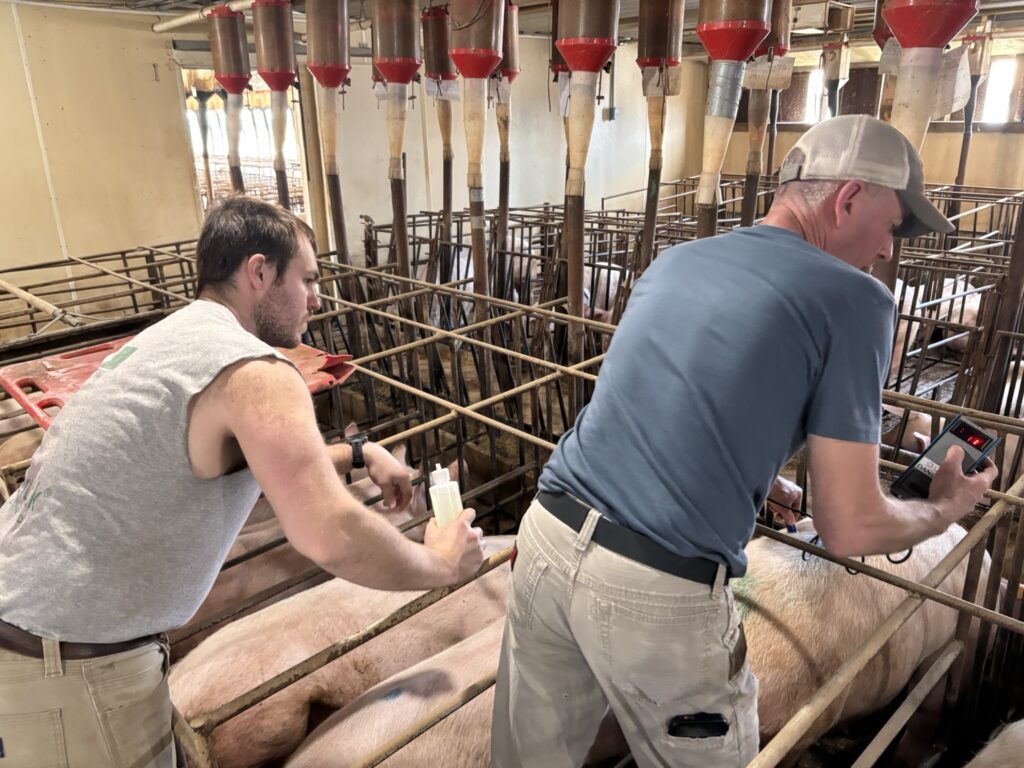
Søren is one of the key DanBred contacts supporting Burgener Farm through DanBred’s Customer Success programme. He re-visited the farm in April and explains:
“During my most recent visit, we focused on gilt development. We reviewed how to measure gilts using the DanBred measuring tape, and the gilts were perfectly within the green area – indicating that they are ready for breeding,” says Søren.
At Burgener Farm, the gilt diet is too high in protein and amino acids for the gilts described in the formulation sheet. However, in the barn, they transition earlier than specified and consequently develop perfectly.
Søren underlines the importance of controlling and setting the right diet for the gilts: “Looking at gilt diets on paper only gives you a partial picture. Feed intake and transition between diets have a huge impact on gilt development. I always promote measurements before concluding any changes to the diets.”